
Frustration tolerance and PDA: what it actually looks like
Jan 30, 2026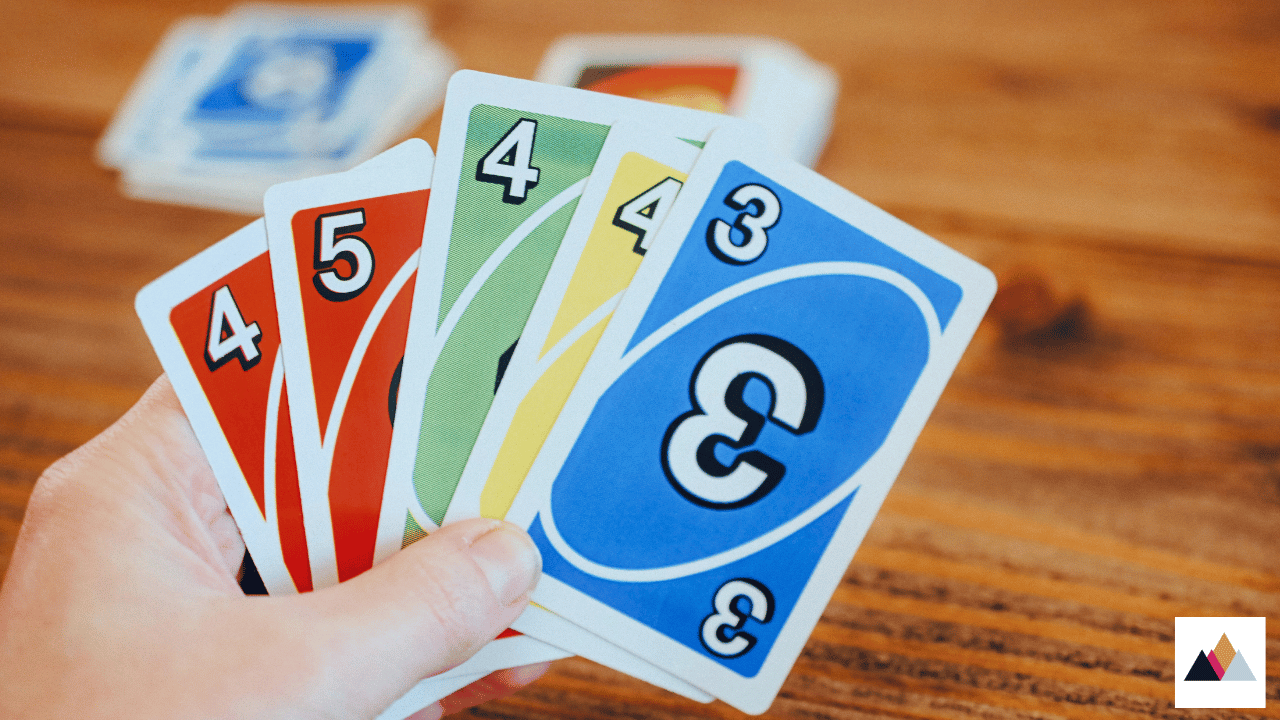
If you have a child with pathological demand avoidance (PDA), you have probably heard the term "frustration tolerance" from a therapist, teacher, or psychologist.
For PDA children and teens, building frustration tolerance looks different than most professionals expect.
Here is what that process can actually look like in practice.
* * *
I just finished playing six rounds of the card game "UNO" with my younger son, William (7 years old).
We sat on my bed, surrounded by pillows and our 95-pound black lab, getting our morning started with some one on one playtime.
As is usual these days, I let him win every single round of cards. By a lot.
👉 I chose not to make moves that would require him to draw extra cards and make it more likely for him to lose.
👉 I pretended not to notice when he put down a "7" card and slapped it before I could, so that I would have to add two more cards to my hand.
👉 I emphatically agreed when he announced with a huge smile, "Mama, you aren't good at this!"
Out of six rounds, there was only one time I played a card that would slow down his winning momentum and require him to take more cards from the deck.
When I did this, William immediately responded with "I hate you! You're stupid!" But to my delight, he quickly re-regulated and played the rest of the round for another win.
When he'd had enough, he smiled and said "I'm done," and went to jump on his iPad with a frozen yogurt bar.
Now, as you read this, you may be thinking, How does this approach increase frustration tolerance?
"Frustration Tolerance" is a term that is wielded like a sword by the parenting experts, therapists, and psychologists who don't understand a PDA-informed approach. 🤺
Because I want you to feel more confident about taking a slower and softer approach, I've broken down the logic and chronology of how to actually build frustration tolerance for a PDA child or teen, using the example of William playing cards:
BURNOUT: June 2025 - December 2025
1. William went into burnout in June 2025
- Began to refuse to play cards.
- He started refusing EVERYTHING except being curled under a blanket, receiving food deliveries, and us playing with him or next to him on a screen.
- His cumulative stress was already past his threshold, so pushing didn’t build tolerance—it only led to panic and ruptured our connection.
2. September 2025-December 2025
- Refusal to play cards
- Deep accommodations without ANY pushing
RECOVERY - January 2026 - ?
3. January 2026
- Began playing cards again, on occasion
- I let him win EVERY TIME.
- The frustration tolerance he was building meant being able to sit and play a reciprocal game of cards without shutting down.
4. This morning, late January 2026
- Requests playing cards (initiating non-screen activity!)
- Mom plays a single card that causes him to not win immediately.
- Mom observes nervous system activation in the moment. Then observes that William re-regulates and keeps playing the game, staying within his window of tolerance.
- Mom lets him win.
5. Next steps (which he will lead me to, not the other way around)
- Ability to tolerate losing one out of six rounds of cards while playing with mom, one on one. In the beginning, this may involve a meltdown and co-regulation needed after.
EQUILIBRIUM - ?
6. Ability to tolerate losing sometimes in a one on one setting (still winning most of the time)
7. Ability to play with other children, or as a family with his brother (real competition)
Building frustration tolerance is a long term process and one that can't be forced.
It has to go at the pace of the PDA child's nervous system.
The PDA child has to have enough of a "window of tolerance" in their system to handle the activation from the loss of equality (losing! mom is above me!) and autonomy (I didn't get to control the outcome!).
When we push kids in the name of frustration tolerance when they are in or near burnout, or when we haven't transformed the relationship to one of unconditional safety, we get stuck in dysregulation, power struggles, and worsening basic needs access, nervous system stress, and loss of connection.
Yes, a PDA approach requires re-examining some of our assumptions about how kids learn and grow...
Yes, A PDA approach is counterintuitive and requires immense patience...
But it works for PDA children and teens over the long term.
And when you let go of the fear of the future (Will my child ever be able to lose? ---> They will never get a job!!) and stay present, you realize:
It's not so bad sitting on your bed, cozy with your 7-year-old, and watching their proud smile as they kick your butt at cards every single time.
Want my blog posts in your inbox?
Most weeks we send two emails. You can unsubscribe any time.
